The Ultimate Guide to Custom Wine Cellar Construction That Performs and Inspires
Designing and installing a custom wine cellar is a blend of artistry, engineering, and performance science. It’s not just about racks and bottles — it’s about creating a climate-controlled sanctuary that protects your investment, enhances your space, and invites admiration from every guest who walks in.
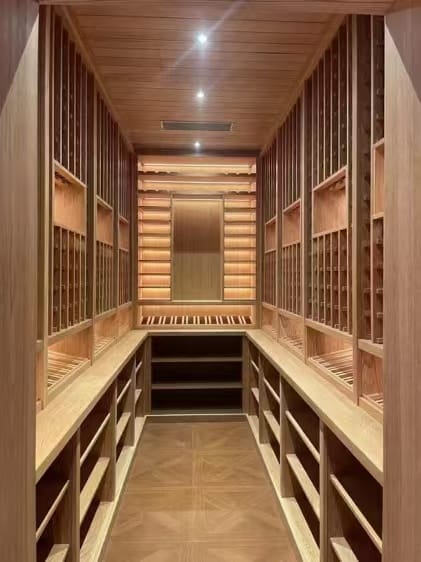
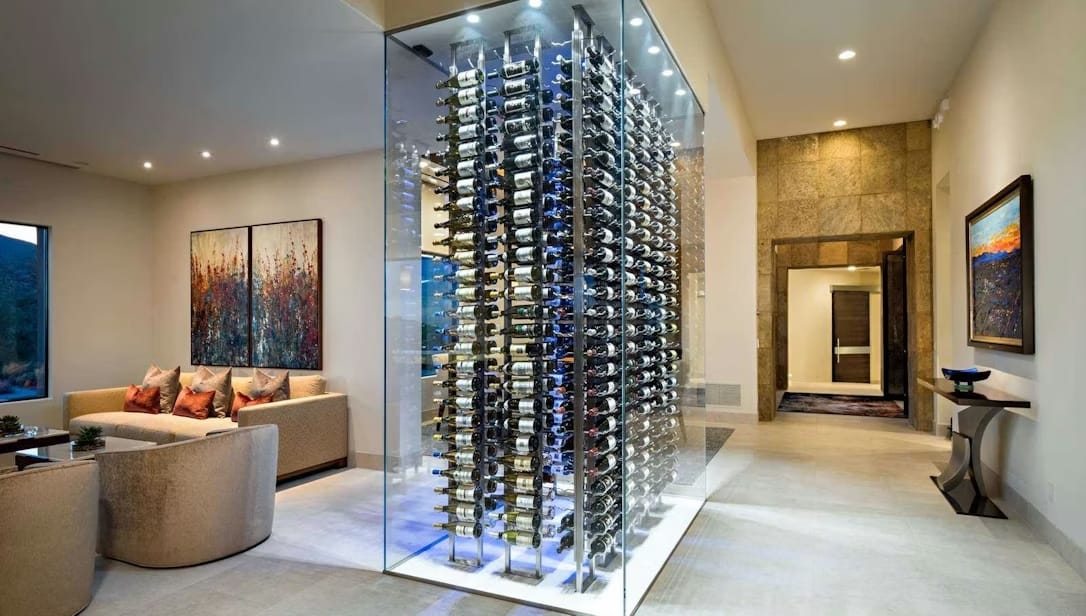
Whether your vision leans toward a dramatic residential glass wine wall or a traditional wood-lined cellar, the fundamentals of custom wine cellar construction remain the same: protect the wine first, then elevate the experience.
1. Start With the Right Space and Plan
Great cellars begin with smart site selection. Ideally, choose a space with minimal temperature swings. Basements and interior rooms are common favorites because they’re naturally stable environments.
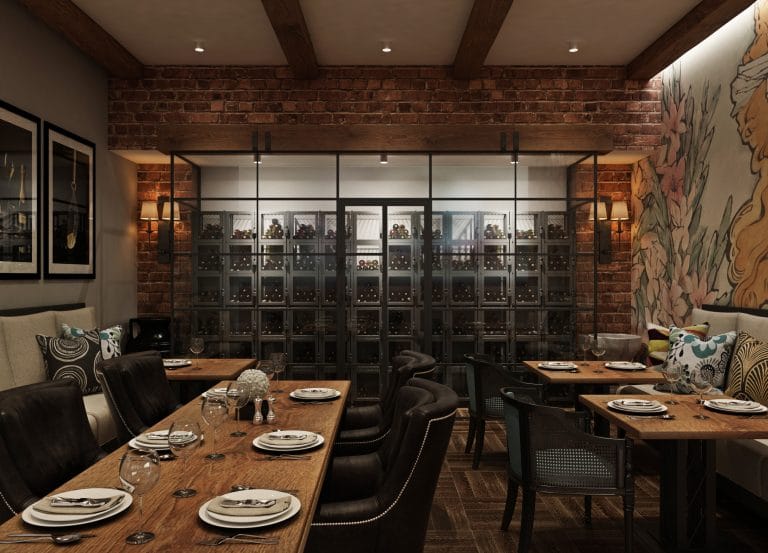
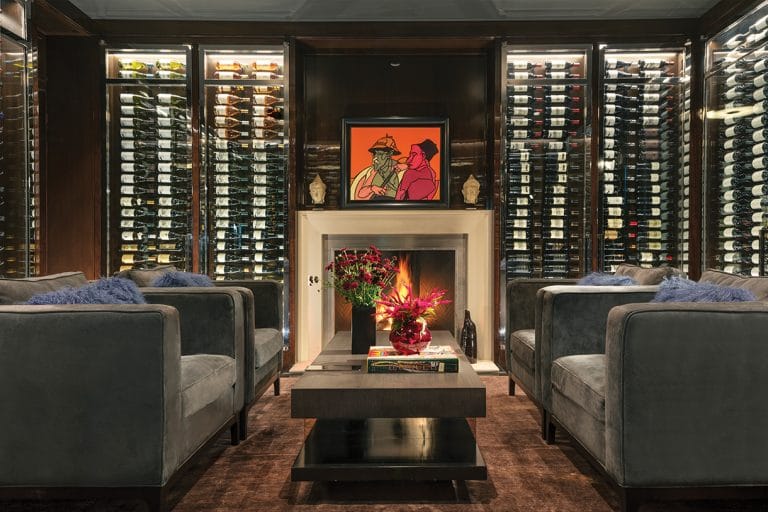
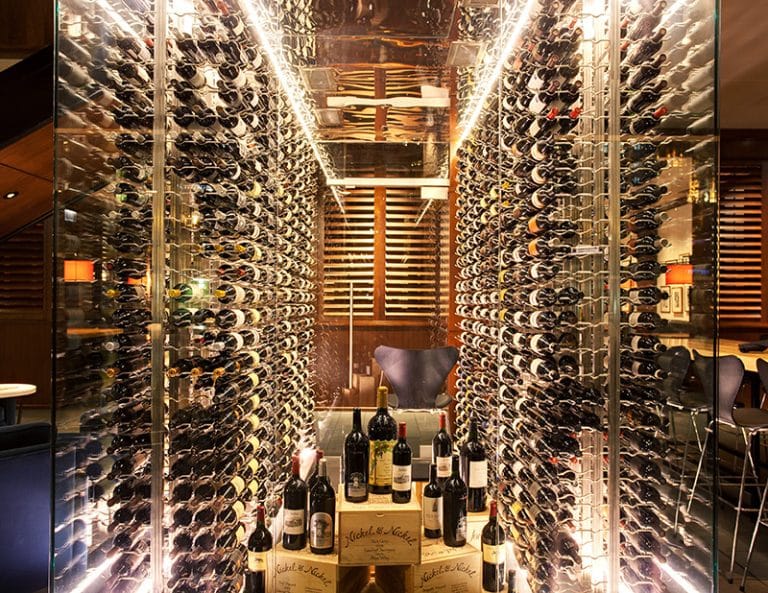
Luxury projects today also incorporate glass-framed displays and open-plan showpieces without compromising performance.
Key early planning questions include:
- How large will the collection grow?
- Will you feature bottles for long-term aging or display prized vintages?
- Are you after a modern minimalist aesthetic or a traditional, wood-rich feel?
Designing from your lifestyle outward ensures your cellar feels purposeful, not just visually impressive — especially when guided by experienced custom wine cellar design and installation professionals.
2. Engineer the Envelope: Insulation, Vapor Control & Airflow
A wine cellar is a specialized room-within-a-room requiring a sealed climate envelope. Proper wine cellar insulation requirements and vapor management protect against condensation and temperature instability.
Core construction elements include:
- Continuous insulation within framed walls
- Scientifically placed vapor barriers
- Air sealing around doors, glazing, and penetrations
Poor vapor design is one of the most common failures in wine storage construction best practices, often leading to long-term moisture and performance issues that require costly reconstruction.
3. Choose the Right Climate Control System
Dedicated cooling is essential when building a climate controlled wine cellar, and selecting properly engineered climate control systems is critical to long-term performance.
Key load factors include:
- Room volume and insulation quality
- Amount of glass exposure
- Door usage frequency
- Lighting heat load
- Adjacent room conditions
Proper wine cellar climate control design ensures stable temperature and balanced wine cellar humidity control, both critical for cork integrity and wine longevity.
4. Structural Considerations: Framing, Flooring & Walls
Before racking installation begins, the room must be structurally prepared.
Important structural elements include:
- Structurally sound framing to anchor racks and potential cable or metal systems
- Flooring that tolerates humidity — think natural stone, porcelain, or engineered wood over a proper vapor break
- Moisture-resistant wall panels and ceilings that withstand life in a humid, cool space
Thoughtful wine cellar wall and insulation design ensures your cellar ages as gracefully as the bottles it protects.
5. Racking & Display: Where Function Meets Style
Racking systems define both storage performance and visual identity.
Options include:
- Traditional wood racks for warmth and classical refinement
- Metal frameworks for modern, architectural appeal
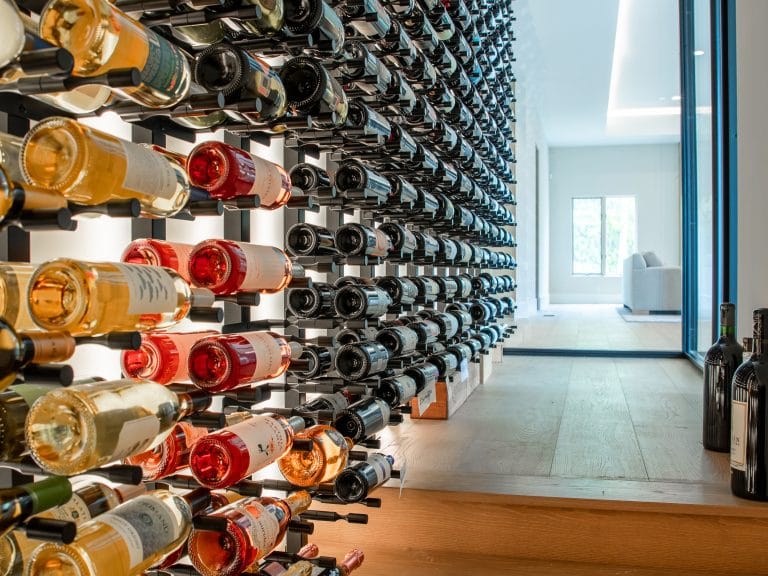
- Floating or cable systems for contemporary display zones
- Glass shelving accents when you truly want to showcase signature bottles
Design layouts should account for bottle dimensions, accessibility, and service aisles, aligning form with function within the broader wine cellar construction process.
6. Electrical & Lighting: Set the Mood Without Heat
Lighting enhances presentation but must be engineered for preservation.
Best practices include:
- Low-heat LED fixtures
- Low-UV output lighting
- Dedicated circuits for cooling equipment
- Label-grazing illumination placement
Proper planning protects wine while elevating ambiance.
7. Door & Glazing Choices That Matter
Doors and glass function as part of the climate envelope.
Performance features include:
- Low-emissivity insulated doors
- Laminated glazing systems
- Airtight seals to reduce heat transfer
These elements play a major role in maintaining stable wine cellar temperature control.
8. Final Details: Finishes, Accessories & Installation Precision
At this stage, construction meets craftsmanship.
Final steps include:
- Finely selected wood tones, metal finishes, or stone accents
- Intelligent lighting scenes for display versus everyday use
- Precision installation that ensures everything is square, sealed, and built to last
Professional installers ensure every element aligns with both performance science and design intent.
Designing & Installing a Wine Room That’s Built to Perform & Impress
From engineered insulation systems to advanced cooling integration, successful custom wine cellar construction balances structural science with visual artistry.
Whether your project leans traditional, modern, or glass-enclosed, thoughtful planning and expert installation ensure your cellar protects, performs, and impresses for decades.